Zero-Waste Style: Upcycling Inspirations for Fashion and Accessories
In an era where sustainability is not just a buzzword but a necessity, zero-waste style has stolen the spotlight in the fashion world. This trend emphasizes mindful consumption, ethical production, and creative upcycling. From transforming old fabrics into new treasures to reimagining discarded accessories, zero-waste fashion fosters both environmental responsibility and unparalleled creativity. In this comprehensive guide, we'll delve deep into the art of upcycling, sharing actionable inspirations and tips to help you cultivate your own eco-friendly wardrobe and choose sustainable accessories.
What is Zero-Waste Fashion?
Zero-waste fashion refers to the practice of designing and producing garments with minimal to no textile waste. This approach not only conserves raw materials but also drastically decreases the environmental footprint of clothing production. By integrating upcycling and creative reuse, zero-waste style is changing the landscape of the international fashion industry.
- Upcycling: Reusing discarded materials and transforming them into something more valuable or beautiful.
- Closed-loop production: Manufacturing processes that recycle their own by-products.
- Minimal and modular designs: Patterns and constructions that maximize fabric use and minimize leftover scraps.
Why is Zero-Waste Style Crucial Today?
The global fashion industry is one of the largest polluters, accounting for approximately 92 million tons of textile waste each year. With fast fashion driving higher rates of consumption, our landfills are overwhelmed with clothing and accessories that take decades -- or even centuries -- to decompose. Zero-waste style and upcycling fashion inspirations offer creative solutions to this ever-growing problem, bringing both ecological and aesthetic value.
Upcycling Inspirations for a Zero-Waste Wardrobe
1. Patchwork Perfection: Revive Your Old Fabrics
One of the simplest yet most striking upcycling ideas for fashion is patchwork. Combine leftover fabric swatches, vintage textiles, or even old garments to create a quilted coat, skirt, or statement jacket. The randomness of the patterns mirrors the uniqueness of your personal style while ensuring nothing goes to waste.
- Pro Tip: Use contrasting colors and textures to make your patchwork garments stand out even more.
- You can also upcycle old jeans or t-shirts for a modern, grunge-inspired patchwork look.
2. Denim Reimagined: Endless Possibilities
Denim is durable and versatile, making it a perfect candidate for zero-waste fashion projects. Don't toss those worn-out jeans -- instead, transform them into chic shorts, bags, or even a utility apron. Add embroidery, patches, or embellishments to refresh the look.
- DIY Accessories: Try creating a patchwork denim tote bag or cuff bracelets from denim scraps.
- Home Decor: Use panels from old jeans to sew reusable grocery bags or table runners.
3. Creative Cutting: Zero-Waste Patterns for New Garments
Leading designers in the zero-waste clothing movement are challenging traditional pattern-making methods. You can find numerous zero-waste sewing patterns online, many of which use origami-inspired folds and straight lines to ensure every inch of fabric is utilized.
- Construct dresses, tops, and skirts from geometric pattern pieces with no leftover scraps.
- Experiment with draped styles or wrap designs for flexibility in sizing and aesthetics.
4. Vintage Reinterpretation: Modernizing Old Styles
Scour thrift shops or your own closet for vintage finds with potential. With a few simple adjustments -- like hemming skirts, swapping buttons, or tailoring the fit -- you can bring outdated pieces back into the limelight. This upcycling inspiration is both cost-effective and high-impact for crafting a sustainable wardrobe.
- Statement Pieces: Turn oversized blazers into fitted jackets or sleeveless vests.
- Mix & Match: Combine elements from multiple garments for a one-of-a-kind look.
Upcycled Accessories: Sustainable Finishing Touches
Accessories can make or break an outfit. With a zero-waste mindset, upcycling allows you to craft beautiful, custom accessories from objects that would otherwise be discarded. Let's explore some inspiring ways to refresh your fashion accents.
1. Jewelry from Everyday Objects
Upcycle unexpected materials -- old keys, broken ceramics, discarded hardware, or leftover beads -- into eye-catching jewelry. This approach not only diverts waste from trash but also lends your pieces a story and a soul.
- Key Ideas: Turn seed beads and wire from broken necklaces into colorful, contemporary earrings.
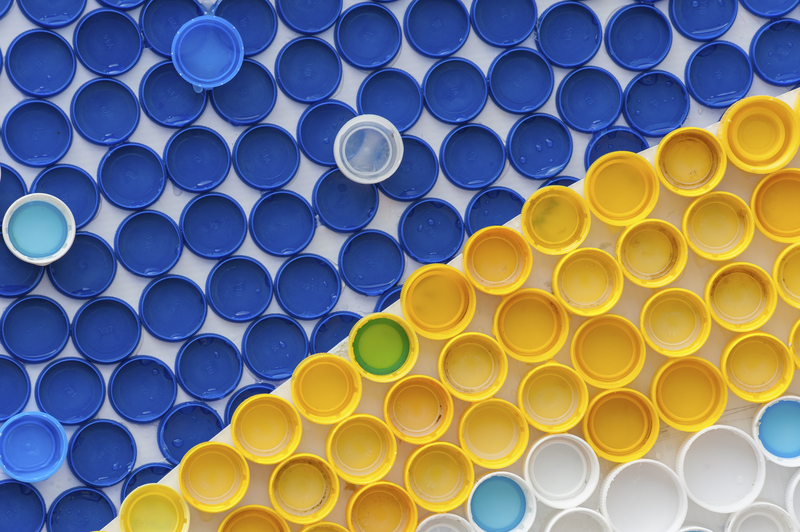
- Eco Statement: Use scrap metal or bottle caps to create bold, conversation-starting necklaces or rings.
- Fabric Flowers: Upcycle fabric scraps into brooches or pins.
2. Bags and Purses from Repurposed Materials
Vintage curtains, tablecloths, t-shirts, and even old leather jackets can be converted into unique and durable bags. Try your hand at sewing a patchwork tote or a clutch assembled from reclaimed leather for a high-contrast style.
- No-Sew Options: Knot t-shirts into market bags or braid fabric strips into boho-chic clutches.
- Creative Closures: Use mismatched buttons, zippers, or even scarf ties as bag closures.
3. Scarves, Belts, and Hair Accessories
Don't discard those off-cuts and narrow fabric strips -- transform them into versatile accessories. Zero-waste style is all about small changes with big impacts.
- Scrunchies: Turn old shirts or dresses into on-trend scrunchies or headbands.
- Belts & Sashes: Sew narrow strips into colorful belts or waist-cinching ties.
- Neck Scarves: Stitched-together rectangles make elegant, lightweight scarves.
4. Footwear and Small Leather Goods
Broken belts, old boots, and retired handbags can be reincarnated into wallets, keychains, or even sandals. Many zero-waste designers specialize in reworking leather and other durable materials, keeping quality goods in circulation and out of the landfill.
- Slipper Projects: Use felted wool sweaters and leather off-cuts for cozy indoor slippers.
- Upcycle Leather: Repurpose sturdy leather into minimalist wallets, passport holders, or luggage tags.
Tips for Building an Upcycled, Zero-Waste Closet
- Audit Your Wardrobe: Review what you already own and identify items that can be refreshed or remade.
- Learn Basic Sewing and Repair Skills: Mending, adjusting hems, and replacing buttons are simple ways to extend a garment's life.
- Collaborate and Swap: Host or participate in clothing swaps for upcycling inspiration and material exchanges.
- Support Local Upcyclers: Purchase from artisans or brands that prioritize zero-waste clothing and accessories.
- Get Creative: Let your imagination guide you -- sometimes, the quirkiest materials result in the most stunning looks.
The Community Impact of Zero-Waste Style
Adopting a zero-waste approach to fashion isn't just an individual action -- it's a movement with global implications. By choosing upcycled and zero-waste fashion, you:
- Reduce landfill waste, conserving natural resources and decreasing pollution.
- Support ethical labor, as many upcycling initiatives provide fair wages and empower local artisans.
- Promote circular fashion, where the lifecycle of clothing and accessories is prolonged, furthering the "reduce, reuse, recycle" mantra.
- Inspire others, creating visible examples of creative, sustainable style.
Zero-Waste Fashion Brands and Designers to Watch
Many visionary designers and brands are pioneering the zero-waste movement, redefining what fashion can be. Whether you're seeking wardrobe staples or standout accessories, consider supporting these groundbreakers:
- Zero Maria Cornejo: Known for geometric, zero-waste patterns and sustainable fabrics.
- Tonle: Every product is made from reclaimed materials, ensuring no piece of fabric goes unused.
- Re/Done: Specializes in vintage denim remakes, offering high-quality, upcycled jeans and jackets.
- Estudio Nuboso: Focuses on accessories made from discarded plastic and other waste materials.
DIY Communities and Resources
- Instagram & Pinterest: Connect with upcycling communities for daily inspiration and tutorials.
- Online Sewing Patterns: Access free and paid zero-waste sewing patterns from various creators.
- Local Workshops: Join classes on fabric upcycling, eco-fashion, or jewelry-making in your area.
Frequently Asked Questions about Zero-Waste Style & Upcycling
Q1: What is the difference between upcycling and recycling in fashion?
Upcycling involves creatively reusing existing materials to make higher-quality products, often increasing their value. Recycling, on the other hand, breaks materials down to their base state before remanufacturing, which can involve high energy and resource input.
Q2: Can I create zero-waste fashion without advanced sewing skills?
Absolutely! Many zero-waste style projects are no-sew or require only basic skills. Start with simple accessory projects like tote bags, headbands, or jewelry, then gradually improve your sewing techniques.
Q3: Where can I donate or sell upcycled fashion?
Many local consignment shops, online marketplaces like Etsy, and zero-waste fashion collectives welcome upcycled clothing and accessories. Sharing your creations on social media can also attract buyers and like-minded enthusiasts.
Conclusion: Stylish, Sustainable, and Zero-Waste
The zero-waste style trend is reshaping the possibilities of how we dress and express ourselves. Upcycled fashion and eco-friendly accessories offer a creative and fulfilling pathway to sustainability -- one that demands nothing less than a fresh perspective on the value of our belongings. By adopting upcycling inspirations and zero-waste practices, you contribute to a healthier planet while enjoying a wardrobe that truly reflects your originality.
Are you ready to join the zero-waste revolution in style? With a blend of vision, resourcefulness, and the right inspiration, building a waste-free, eco-chic closet is easier -- and more exciting -- than ever. Happy upcycling!