Skip Hire in Canary Wharf

Skip hire in Canary Wharf needs to work around tight access, busy roads and the varied mix of homes, offices and commercial buildings that shape the area. We provide practical waste container options for clearances, refurbishments and routine project work, with a focus on keeping disposal simple, lawful and well matched to the job. Our service is built around choosing the right skip size, arranging delivery and helping customers manage waste responsibly.
For many jobs, the main decision is not simply whether a skip is needed, but which type of service best suits the site. Smaller domestic projects may only need a modest container, while larger works can benefit from a more structured disposal plan. Where access is restricted or road space is limited, a wait and load skip hire option can be a practical alternative, because it keeps the collection process focused and avoids leaving a container on site.
Whether you are clearing renovation waste, replacing fixtures or organising regular trade rubbish, our aim is to make the process straightforward from first enquiry to final uplift. If you already know the material type and approximate volume, that helps narrow the choice quickly; if not, we can still work through the most suitable option with you. Tell us what needs removing and the access available, then request a quotation.
Domestic and household skip hire
Domestic skip hire is often chosen for home clear-outs, decorating waste and general household projects where bags alone are not enough. In Canary Wharf, that can include flats, managed developments and properties where access, loading time and parking need a little more planning than a standard driveway job. A well-sized skip keeps the work organised and helps separate the load from ordinary household waste streams.
For smaller clearances, a compact skip may be enough for packaging, old shelving, timber offcuts and mixed non-hazardous debris. Larger home projects can create heavier waste from flooring, fitted furniture and bathroom refits, so the right size matters as much as the service itself. If you are comparing options, our domestic skip hire page gives a clearer starting point for household jobs of different scales.
There are also times when a skip is only part of the answer. If the job is mostly loose rubbish, a faster collection style may suit better; if the waste is being loaded from a confined access point, careful planning becomes more important. Good preparation makes a difference, so list the main items, estimate the volume and think through access before you decide. That usually leads to a cleaner quotation and fewer changes on the day.
Commercial and trade waste removal

Canary Wharf has a strong commercial character, so skip hire here often supports offices, fit-outs, maintenance teams and contractors working to a schedule. Commercial waste can be varied, from packaging and partition materials to strip-out debris, and it benefits from a disposal service that is easy to coordinate with other site activity. The right arrangement helps keep waste away from working areas and supports steady progress.
For businesses that generate regular volumes of rubbish, a planned skip solution can be more convenient than arranging ad hoc collections each time. Our commercial skip hire service suits workplaces and project teams that need a reliable disposal method for non-hazardous waste. Where the job involves builders, refits or maintenance waste, the container choice should reflect the mix of material and how quickly it will build up.
Trade customers often value a clear process: know the site constraints, match the skip to the load and plan for any permit or access need in advance. If your works are changing week by week, it is sensible to decide whether a short placement, repeated uplifts or a different waste service would be more efficient. Request a quotation once the scope is defined, so the arrangement fits the job instead of being adjusted after delivery.
Builders, construction and demolition waste
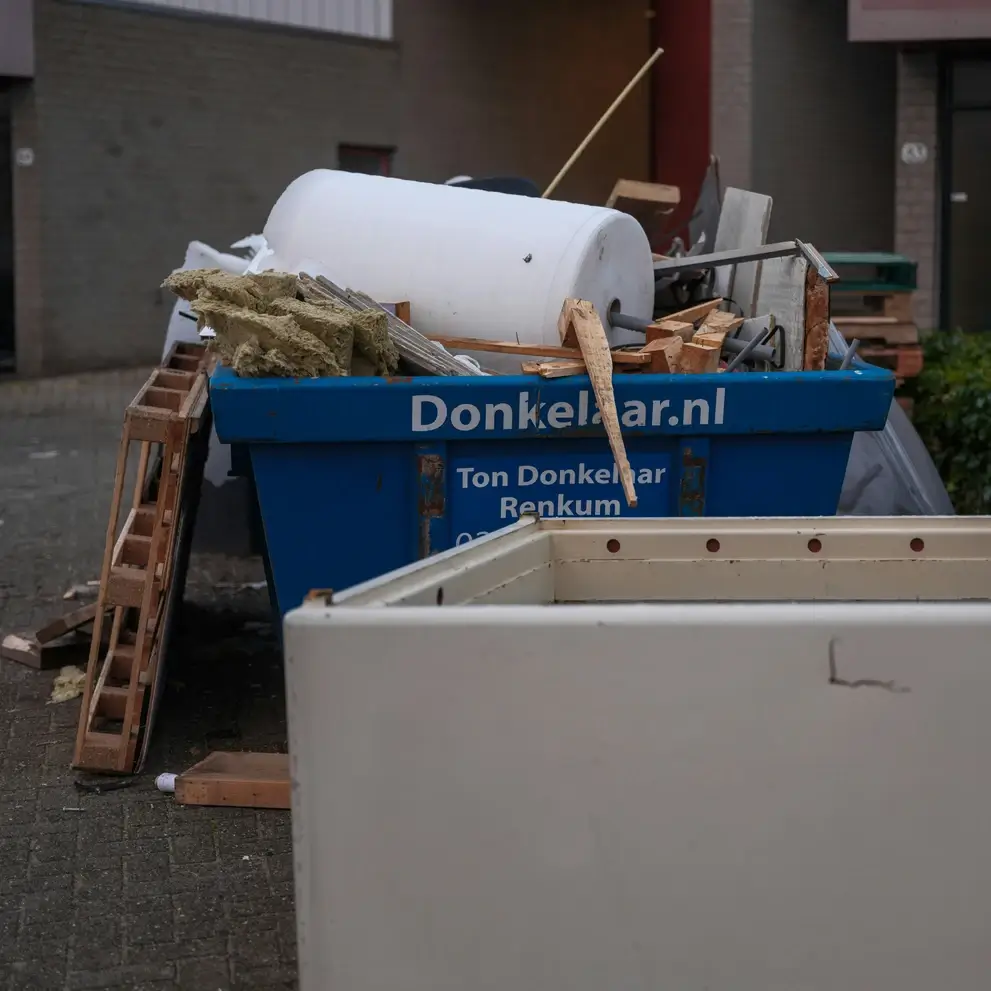
Builders’ and construction waste requires a skip service that can cope with dense, awkward and sometimes heavy material. This can include rubble, timber, plasterboard, packaging, broken fixtures and general strip-out waste from renovation and refurbishment work. The key is not only removing the material, but doing so in a way that keeps the site manageable and the load appropriate for disposal.
For these jobs, a dedicated builders skip hire page is useful when the work produces mixed construction debris that does not suit ordinary domestic disposal. If the project is more focused on clearing a work area after strip-out or making good, the construction waste clearance service may be a better fit. The choice depends on whether you need a container on site, a clearance team, or a combination of both.
Demolition waste can be particularly demanding because the material may be heavier and less uniform than typical refurbishment debris. That makes accurate description important when you enquire, since waste type affects the suitable service and load planning. Use plain details about the material, the location and the timing rather than trying to overstate the job; that usually gives a more realistic route to arranging the work. Demolition waste removal is the clearest option when the main task is taking away the aftermath of structural work.
Skip sizes, access and practical choices
Choosing a skip is rarely just a matter of capacity. In a busy district such as Canary Wharf, access, placement and loading method can all affect which service is most suitable. A larger skip may reduce the need for repeat collections, but it may not be appropriate where space is tight or on-street placement is difficult. Smaller options can be more flexible when the waste is limited or the site allows little room for manoeuvre.
It is worth considering the character of the waste as well as the amount. Heavy materials take up less volume than light, bulky items, so a container can fill by weight before it looks full. For that reason, a customer should think through whether the load is mainly rubble, mixed refurbishment waste, bulky household items or lighter general rubbish. Skip sizes and prices can help you compare the common choices before you commit.
If you are unsure where to start, begin with three questions: what is being removed, how much there is and where the skip or collection will need to sit. From there, the decision usually becomes clearer. When the access is limited or the waste is difficult to place neatly, a different format such as grab hire services may sometimes be a more workable route than a static container. Good planning keeps the job simple.
About Canary Wharf
Canary Wharf is a major district in the London Borough of Tower Hamlets, on the Isle of Dogs in East London, shaped by the redevelopment of former dockland into one of the capital’s best-known business centres. Its landscape is defined by tall office towers, enclosed plazas, dockside views and a network of pedestrian routes that connect the estate with surrounding streets and transport links. The area takes its name from the West India Dock Estate, where Canary Wharf itself was once a trading warehouse site serving the docklands economy. In the late twentieth century, the broader transformation of the dock area became one of London’s most prominent regeneration projects, bringing large-scale commercial architecture and a new urban identity to a place long associated with maritime trade. Today, the district is recognised for its concentration of financial and professional workplaces, but it also includes residential buildings, retail spaces and public routes that give it a more mixed day-to-day character than a simple business zone. The docks nearby, including South Dock and West India Quay, remain important features of the setting, while landscaped spaces and waterside walkways soften the high-rise skyline. Public transport connections, especially the Jubilee line and Docklands Light Railway, have helped shape the district’s role as a busy interchange as well as an employment centre. The architecture is one of its most distinctive qualities: glass towers, broad paved concourses and carefully planned open spaces sit beside reminders of the docklands past. Taken together, these elements make Canary Wharf a place where modern commercial design, historic waterways and urban movement sit side by side.
Waste recycling and responsible disposal
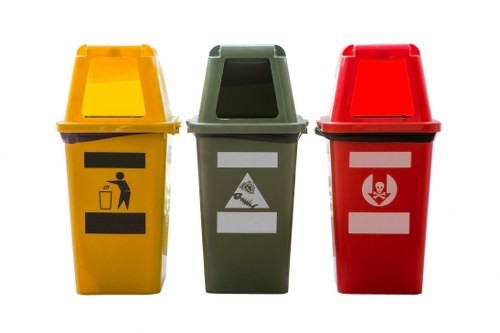
Responsible disposal is an important part of any skip hire arrangement, because not every load is just a matter of taking material away. Mixed waste should be sorted and handled with care so that recyclable items can be separated where possible and unsuitable materials are dealt with correctly. That approach supports better waste management and gives customers a more considered service than a simple tip-and-forget collection.
Our waste recycling services are relevant when the aim is not only to clear material, but to direct suitable waste into recovery routes where available. This can be especially useful on refurbishment and fit-out jobs where packaging, metal, timber and other recyclable streams may be present alongside general debris. It also helps when customers want to understand how their waste is being processed rather than only arranging removal.
There are limits, of course. Hazardous items, restricted substances and specialist materials need separate handling, and they should not be treated as ordinary mixed waste. If you are unsure how a particular item should be classified, it is better to ask before loading it than after the container has been arranged. Careful sorting at the outset makes the disposal stage easier and can avoid unnecessary delays.
Waste types, restrictions and specialist removals

Different waste types call for different handling, and a useful skip hire service should make that distinction clear. Some waste is ideal for a standard mixed load, while other material needs dedicated disposal because of weight, contamination or regulatory limits. Understanding that difference helps avoid problems on the day and makes the service more dependable for both domestic and commercial customers.
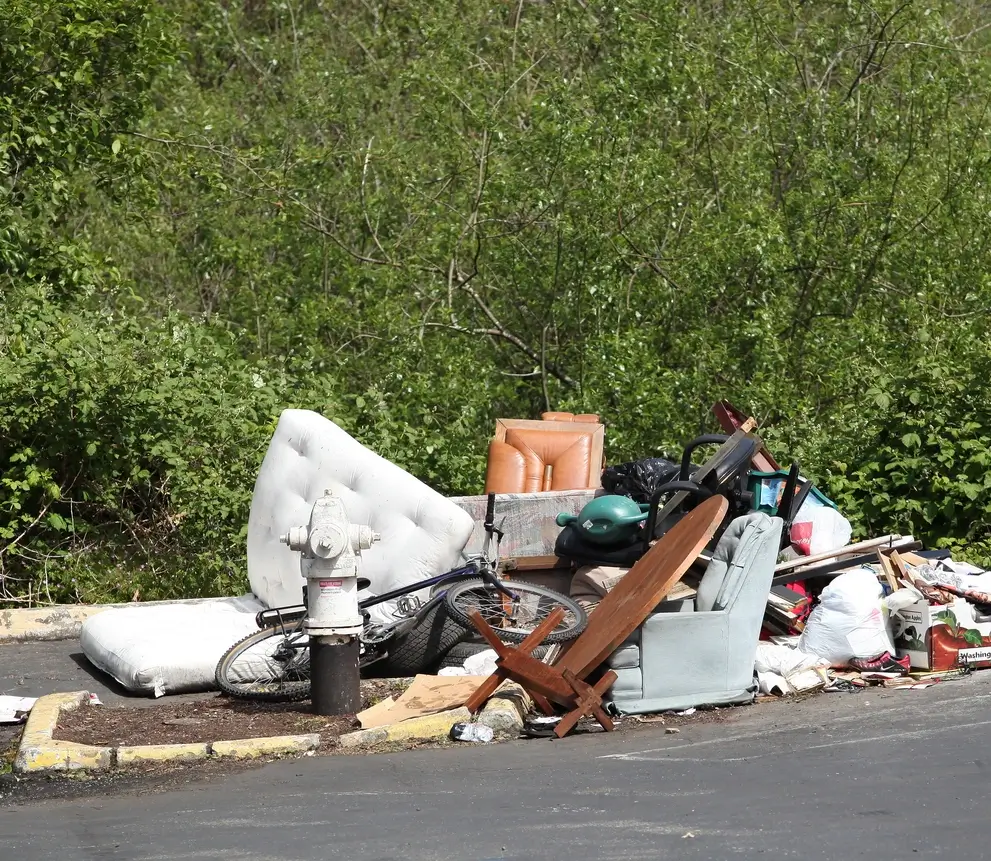
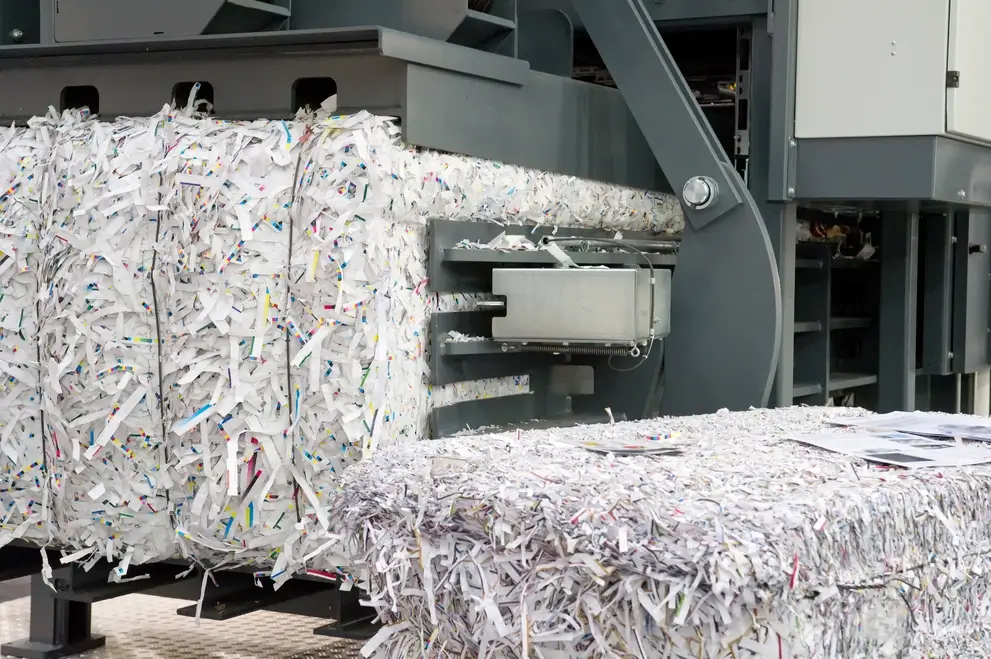
For example, not every item that looks manageable in a bin bag is suitable for general skip loading. Appliances, mattresses, confidential material and certain hazardous items often belong in specific collection routes instead. Where the project includes items outside normal mixed waste, separate services such as fridge and appliance removal, mattress and sofa disposal or confidential shredding may be more appropriate than trying to force everything into one container.
Specialist waste handling is not only about compliance; it is also about making the whole clearance more efficient. When the service matches the material, there is less risk of rejected items or last-minute changes. If you are dealing with mixed debris, separate out anything unusual and mention it early. A concise, accurate description of the load is better than a long list of assumptions, and it helps ensure the service offered is the right one for the waste in question.
Permits, access and site arrangements
Depending on where a skip needs to sit, a permit or other arrangement may be necessary. This is especially relevant in built-up parts of Canary Wharf where road space, loading bays and managed access points may all affect placement. Planning for access in advance helps avoid unnecessary delays and gives a clearer picture of whether a static skip, a permit-backed placement or a collection-based option is the better fit.
If you are not certain about the local set-up, the service can be matched to the location once the details are known. Our skip permits page is a useful reference when the container will need to be placed in a public or controlled space. For some jobs, however, the cleaner solution is simply to use a method that avoids long on-site placement altogether. The point is to choose the most practical route for the access available, not to force one system on every project.
Two details usually matter most: where the waste is coming from and where the container or collection vehicle can safely work. Once those are clear, the rest of the plan becomes much easier to put together. If the work is time-sensitive, a well-prepared enquiry saves back-and-forth later. Use the enquiry stage to describe the site and the waste as plainly as you can.
Pricing, quotations and booking details

Quotation requests are easier to price accurately when the service details are specific. The main factors are usually waste type, volume, access, placement and whether a permit or alternative collection method is needed. That means the most helpful enquiry is not the longest one, but the clearest one. If you can describe what is being removed and how the site is arranged, the quotation can be matched more closely to the actual work.
For customers comparing options, the pricing and quotes page is the natural place to look for a clearer overview of how the service is quoted. It is also sensible to review the basic handling rules before booking, because items that are unsuitable for a standard load should be identified early. Where the waste is straightforward, booking can move quickly; where it is mixed or unusual, a little extra detail helps avoid confusion.
If you are ready to move forward, send through the essentials and ask for a quotation. There is no need to overcomplicate the request. A simple explanation of the job, the approximate amount and the access available is usually enough to start the process. Request a quotation today and let us help you choose the most suitable skip hire option in Canary Wharf.